
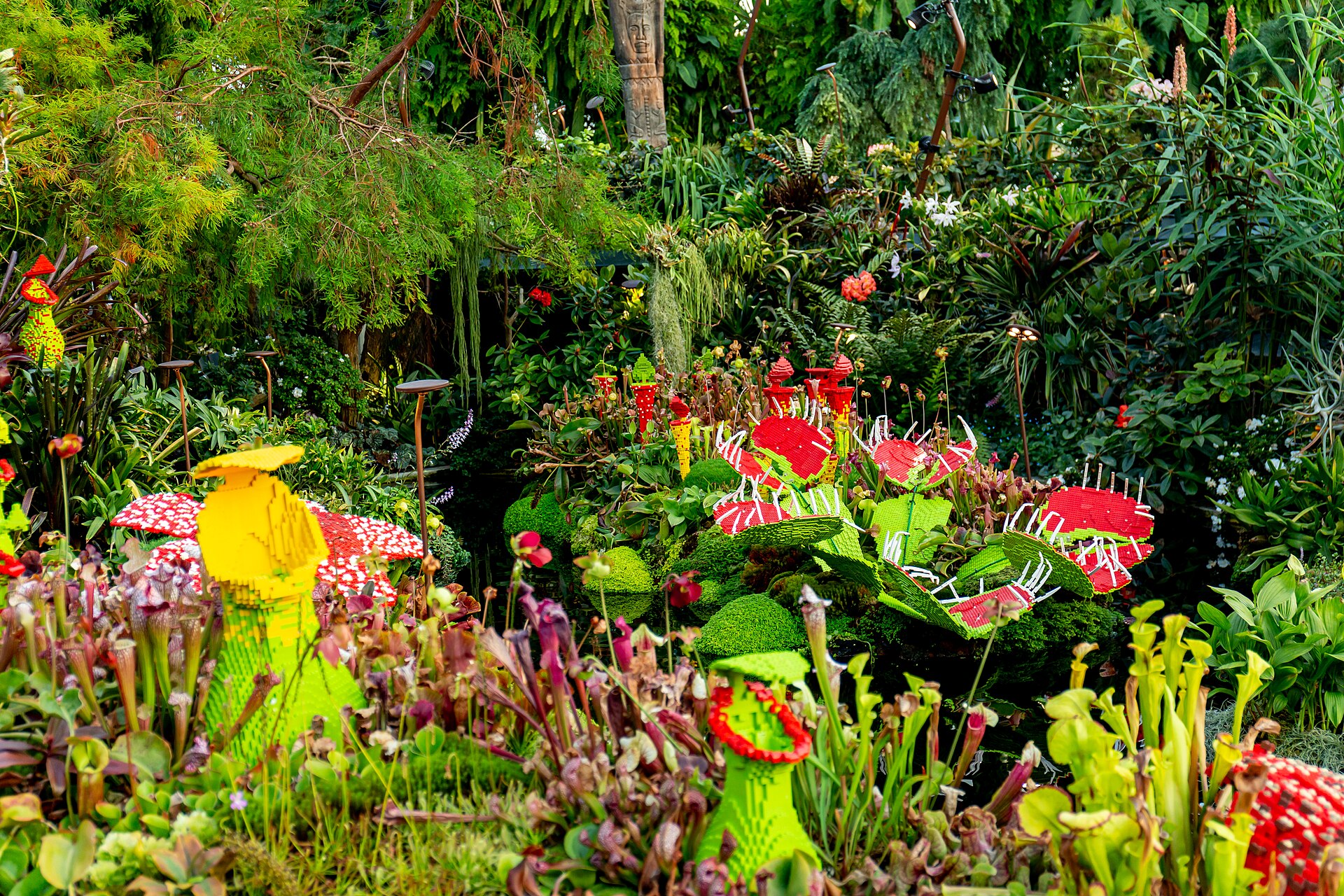
Photo: Balon Greyjoy / CC0 via Wikimedia Commons
Explore Singapore's history through its heritage districts, museums, temples, colonial landmarks and historic neighbourhoods with this guide to the city's best historical attractions.
Singapore is known for its modern skyline, but the city also has a fascinating history shaped by different cultures, trade and migration. From colonial landmarks and historic districts to temples, museums and traditional shophouses, there are plenty of places where visitors can discover Singapore's past.
A visit to these historical attractions in Singapore is a great way to experience a different side of the city beyond shopping and modern architecture.
Best Historical Attractions in Singapore
1. National Museum of Singapore
The National Museum of Singapore is one of the best places to learn about the country's history.
Visitors can discover Singapore's development through exhibitions covering:
- Early Singapore
- Colonial history
- World War II
- Independence
- Modern Singapore
- Local culture and heritage
It is a good choice for first-time visitors who want historical context before exploring the rest of the city.
2. Chinatown
Singapore's Chinatown is an important part of the city's cultural heritage.
The area features:
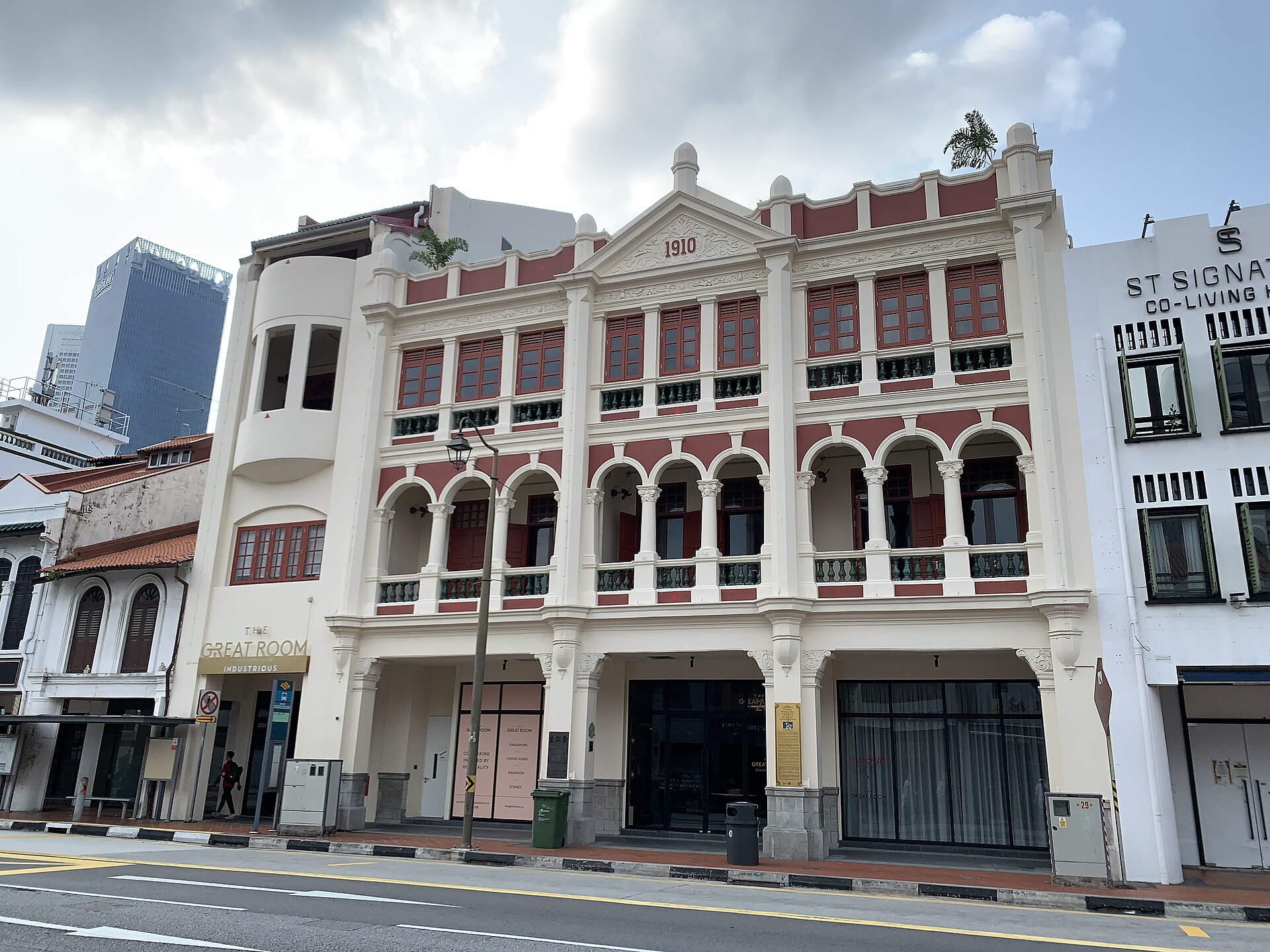
- Historic shophouses
- Traditional shops
- Chinese temples
- Heritage streets
- Local food
- Cultural attractions
Walking through the neighbourhood gives visitors an opportunity to see how Singapore's historic communities developed.
3. Little India
Little India reflects the heritage and influence of Singapore's Indian community.
Visitors can explore:
- Historic buildings
- Hindu temples
- Traditional shops
- Indian restaurants
- Colourful streets
- Cultural landmarks
It is also an excellent place to experience Indian food and shopping while learning about Singapore's multicultural history.
4. Kampong Gelam
Kampong Gelam is one of Singapore's historic neighbourhoods and was historically associated with the Malay and Muslim communities.
The area is known for:
- Sultan Mosque
- Heritage buildings
- Traditional shophouses
- Arab Street
- Haji Lane
- Local cafés and shops
It combines Singapore's heritage with a modern urban atmosphere.
5. Sultan Mosque
Sultan Mosque is one of Singapore's most recognisable religious and architectural landmarks.
Its distinctive golden domes and surrounding heritage streets make it an important cultural attraction.
Visitors should dress appropriately and follow the mosque's visitor guidelines.
6. Fort Canning Hill
Fort Canning Hill has played an important role in Singapore's history.
The area has connections with Singapore's early rulers, colonial history and military past.
Today, visitors can explore the hill, historical landmarks and surrounding greenery while enjoying views of the city.
7. Asian Civilisations Museum
The Asian Civilisations Museum explores the cultural heritage of Asia and its connections with Singapore.
Its collections can help visitors understand:
- Asian cultures
- Trade
- Religion
- Art
- Migration
- Cultural exchange
It is located close to several major attractions around the Singapore River and Marina Bay area.
8. National Gallery Singapore
National Gallery Singapore is housed in two historic former government buildings.
The architecture itself provides an opportunity to experience Singapore's colonial-era heritage, while the museum focuses on Southeast Asian art.
It can be combined with other attractions around the Civic District.
9. Raffles Hotel
Raffles Hotel is one of Singapore's best-known historic hotels.
The property is associated with Singapore's colonial-era heritage and has become an iconic part of the city's history.
Even if you are not staying at the hotel, the surrounding area can be included in a heritage-focused city itinerary.
10. Civilian War Memorial
The Civilian War Memorial commemorates civilians who died during the Japanese occupation of Singapore during World War II.
It is located near the city centre and can be visited as part of a historical sightseeing itinerary.
11. Former Ford Factory
The Former Ford Factory is an important World War II heritage site.
It is associated with the British surrender to Japanese forces in Singapore in 1942.
Visitors interested in wartime history can learn more about this important period in Singapore's past.
12. Thian Hock Keng Temple
Thian Hock Keng is one of Singapore's historic Chinese temples.
The temple reflects the heritage of early Chinese immigrants and Singapore's maritime trading history.
Its traditional architecture and detailed decorations also make it an interesting photography location.
13. Sri Mariamman Temple
Located in Chinatown, Sri Mariamman Temple is Singapore's oldest Hindu temple.
The temple is known for its colourful architecture and intricate sculptures.
It is an important cultural and religious landmark and demonstrates the diversity of Singapore's heritage.
Visitors should follow the temple's rules and dress respectfully.
Singapore River Heritage
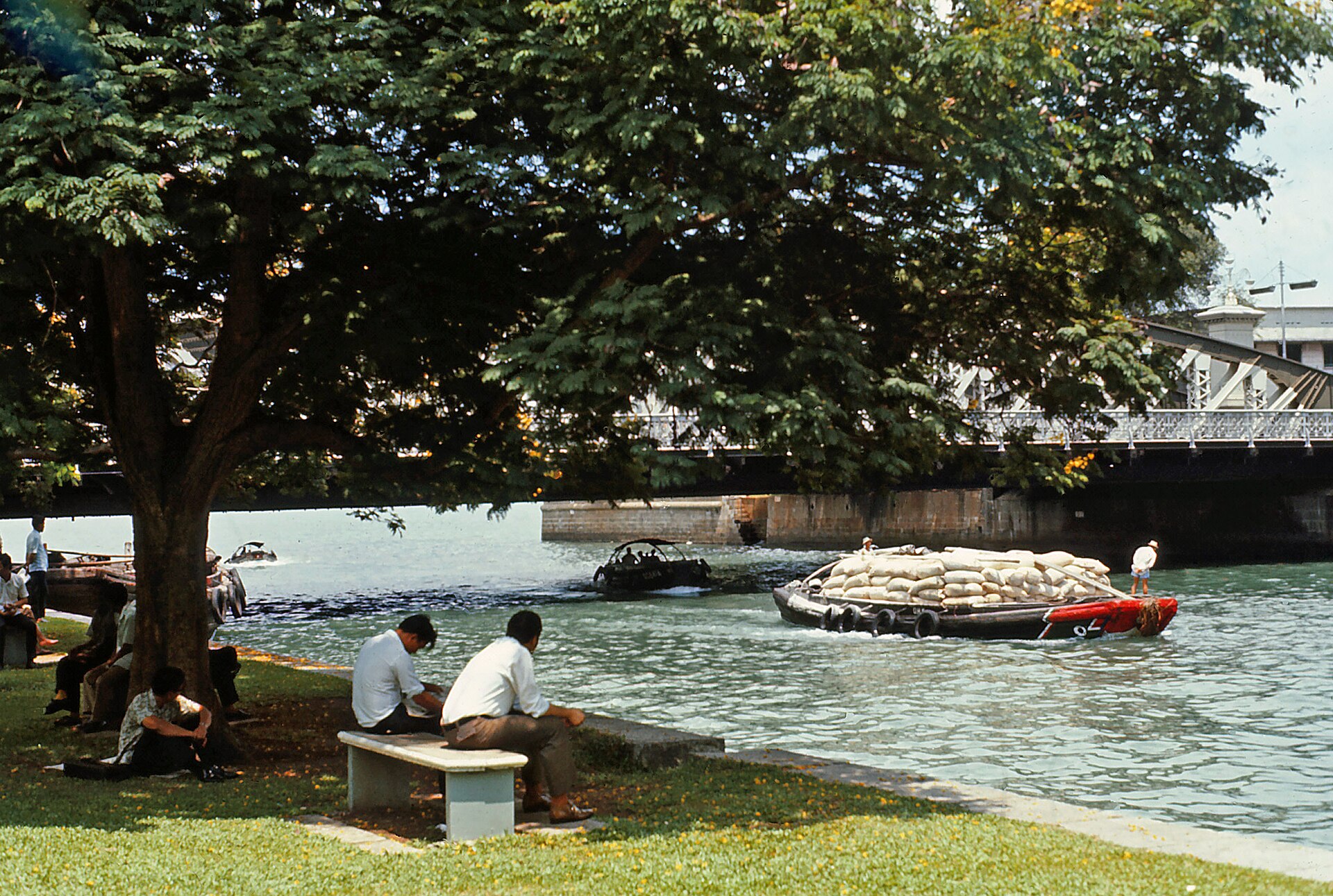
The Singapore River played a major role in the development of Singapore as a trading port.
Today, visitors can explore areas around:
- Boat Quay
- Clarke Quay
- Fullerton
- Historic warehouses
- Riverside landmarks
A Singapore River Cruise can also provide a different perspective of the city's historic waterfront.
Best Historical Areas to Explore on Foot
For a heritage-focused walking experience, consider:
Chinatown → Singapore River → Civic District
or:
Kampong Gelam → Arab Street → Haji Lane → Little India
These routes allow visitors to experience different cultural communities and architectural styles within a relatively short distance.
Historical Attractions for Families
Families can make Singapore's history more interesting for children by combining museums with outdoor sightseeing.
Consider:
- National Museum of Singapore
- Fort Canning Hill
- Chinatown
- Little India
- Singapore River
- Asian Civilisations Museum
Choose attractions according to your children's age and interests.
Historical Attractions for Adults
Adults interested in history and culture can explore:
- National Museum of Singapore
- Former Ford Factory
- Asian Civilisations Museum
- National Gallery Singapore
- Fort Canning Hill
- Historic neighbourhoods
- World War II heritage sites
Combining museums with heritage walks provides a more complete understanding of Singapore's past.
How Many Days Do You Need?
You do not need several days exclusively for historical attractions.
A half-day heritage tour can cover a neighbourhood such as Chinatown or Kampong Gelam.
For a deeper experience, dedicate one full day to:
- National Museum
- Fort Canning
- Civic District
- Singapore River
- Chinatown
Tips for Exploring Singapore's History
- Wear comfortable walking shoes.
- Carry water, especially during outdoor heritage walks.
- Check museum opening hours before visiting.
- Allow extra time for museums.
- Dress respectfully at religious sites.
- Follow photography rules.
- Consider a guided heritage tour for deeper historical context.
- Combine nearby attractions to reduce travel time.
- Avoid visiting too many museums in a single day.
Final Tips
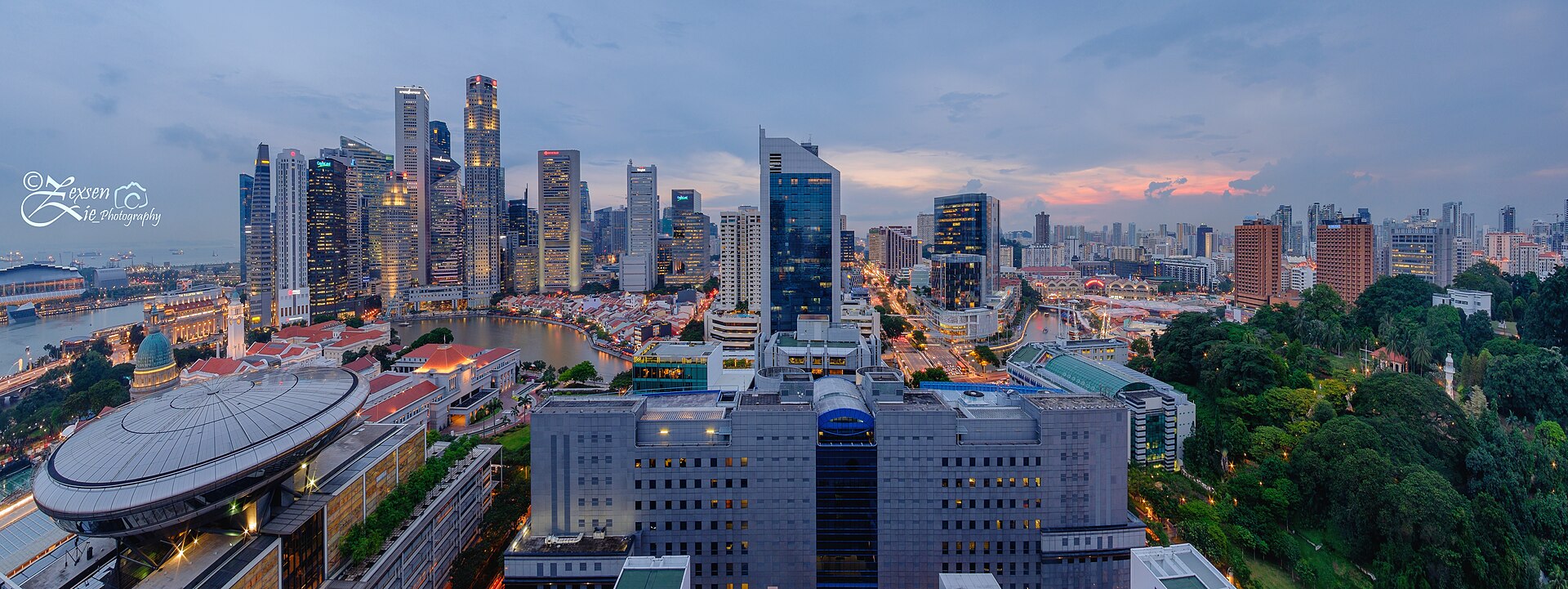
Singapore's history can be experienced through its museums, heritage districts, temples, colonial buildings, religious landmarks and World War II sites.
For first-time visitors, a combination of Chinatown, Little India, Kampong Gelam, Fort Canning, the National Museum and the Civic District provides a good introduction to Singapore's cultural and historical development.
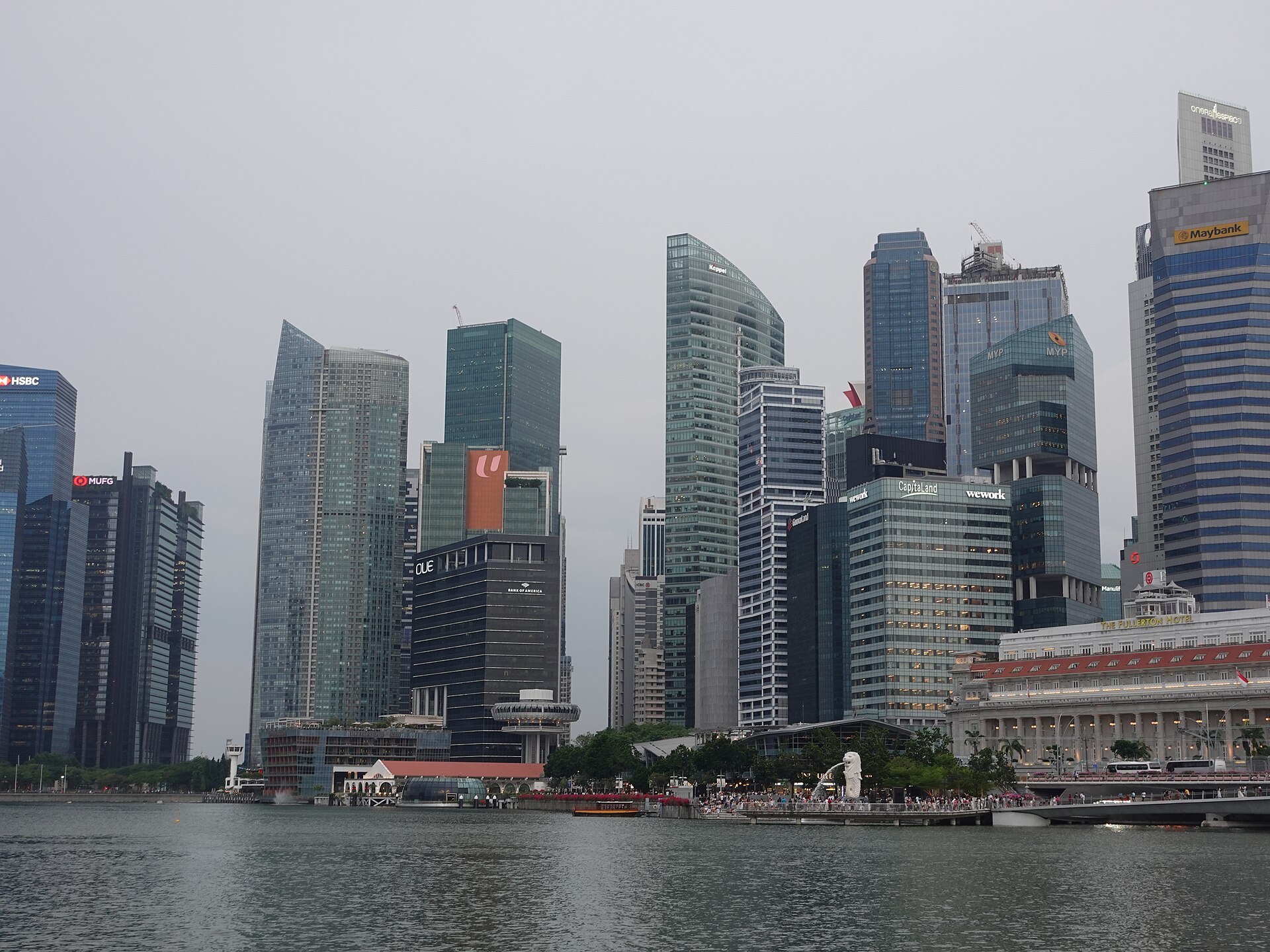
Exploring these areas alongside Singapore's modern attractions gives you a more complete picture of how the city transformed from a historic trading port into the modern destination it is today.
Comments are closed for this post.